|
|
|
|
|
|
![]() |
|
|
The use of medicine in China dates back as far as
3000 BC. However, the first archaeological evidence, such as acupuncture
needles and traces of medicine in the bones, dates from the period of the Shang
dynasty (B.C. 1766 - 1122), which marked the true beginning of Medicine in
China.
|
||
|
This developed from Taoism beliefs and observations that are related to
the natural world behavior which reveal the "Ying" and
"Yang" characteristics. Equilibrium is vital for the healthy
human body. Imbalanced "Ying" and "Yang" will lead to diseases
and sickness, the causes of imbalance are wind, cold, fire, dryness, dampness and summer
heat. We will explain the causes of imbalance in later updates.
|
|
|
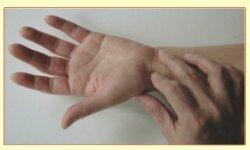
The traditional Chinese doctor by using 3 fingers, applies different
levels of pressure on each finger and monitors the patient's pulse to
determine the conditions of the various parts of the body, taking into consideration
the age, physical, mental and spiritual aspects of the patient, thereby treating the root of the
problem and not the symptom.
When the cause of the sickness is determined, the doctor will decide the
appropriate treatment such as prescription of herbs, Acupuncture,
Acupressure, Chi Kung, or recommendation of a special diet to compensate the
imbalance.
|

||
|
|
|||
|
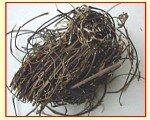
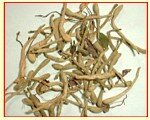
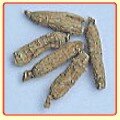
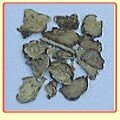
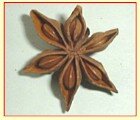
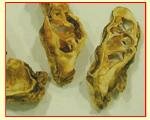
These are found in Nature, namely plants and trees and it can be said that there are herbs at every corner of the earth that can be incorporated into the Chinese medical system. Some medicines are derived from animals, minerals and biological products. Examples of Chinese Herbs |
|
|
|
|
|
|
|
|
![]() |
|
|
|
|
|